As stucco lap siding takes center stage, this opening passage beckons readers into a world crafted with good knowledge, ensuring a reading experience that is both absorbing and distinctly original.
Stucco lap siding, a versatile and visually appealing option for home exteriors, offers a unique blend of style and durability. Let’s delve deeper into this fascinating topic.
What is Stucco Lap Siding?
Stucco lap siding is a type of exterior cladding made from a mixture of cement, sand, and water that is applied in multiple layers to create a durable and textured finish. The siding is typically installed in overlapping horizontal boards, known as “laps,” which give it a traditional and classic look.
Characteristics of Stucco Lap Siding
Stucco lap siding is known for its durability, resistance to fire and insects, and low maintenance requirements. It can be painted in various colors to suit the aesthetic preferences of homeowners and is available in different textures to add depth and visual interest to the exterior of a home.
Benefits of Using Stucco Lap Siding
- Excellent durability and longevity
- Fire-resistant properties
- Low maintenance requirements
- Customizable colors and textures
- Enhanced energy efficiency
Installation Process for Stucco Lap Siding
The installation of stucco lap siding typically involves the following steps:
- Preparation of the exterior surface by cleaning and applying a weather-resistant barrier.
- Installation of a metal lath to provide a secure base for the stucco application.
- Application of multiple layers of stucco, including a scratch coat, brown coat, and finish coat.
- Texturing and painting the stucco to achieve the desired look.
Types of Stucco Lap Siding
Stucco lap siding comes in various types, each offering unique characteristics and benefits. Let’s explore different types of stucco lap siding available in the market, compare the materials used, and discuss the durability and maintenance requirements of each type.
Traditional Stucco Lap Siding
Traditional stucco lap siding is made of a mixture of cement, sand, and lime. It is applied in multiple coats over a wire mesh base. This type of stucco siding is known for its durability and resistance to fire and pests.
However, it requires regular maintenance to prevent cracks and water damage.
Acrylic Stucco Lap Siding
Acrylic stucco lap siding is a more modern alternative to traditional stucco. It is made of acrylic resin and offers a wider range of colors and textures. Acrylic stucco is flexible, making it less prone to cracking than traditional stucco.
It is also easier to maintain and repair.
Fiber Cement Stucco Lap Siding
Fiber cement stucco lap siding is a composite material made of cement, sand, and cellulose fibers. This type of siding is highly durable, resistant to rot and pests, and low maintenance. It can mimic the look of traditional stucco while offering better durability and longevity.
Vinyl Stucco Lap Siding
Vinyl stucco lap siding is a cost-effective option that mimics the appearance of traditional stucco. It is lightweight, easy to install, and requires minimal maintenance. However, vinyl siding is not as durable as other types and may be prone to fading and cracking over time.
Wood Stucco Lap Siding
Wood stucco lap siding combines the classic look of wood with the durability of stucco. It offers a natural and rustic appearance while providing good insulation properties. However, wood siding requires regular maintenance, such as painting and sealing, to prevent rot and decay.
Design and Aesthetics
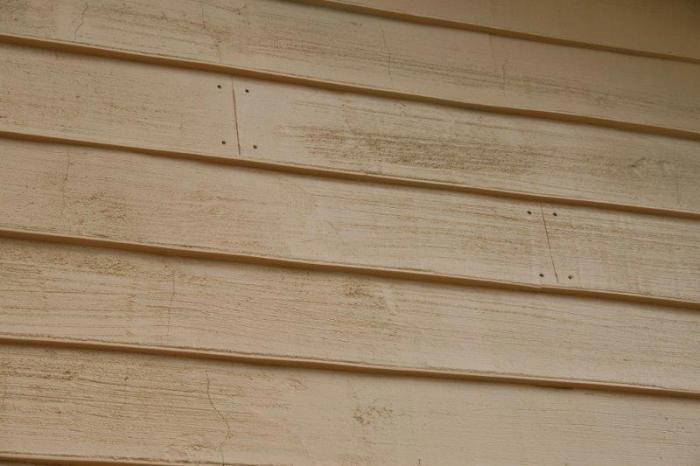
When it comes to enhancing the overall look of a home, stucco lap siding can make a significant difference. Its textured finish and versatility can add character and charm to any property, boosting its curb appeal and value.
Popular Color Options and Textures
Stucco lap siding comes in a variety of colors and textures, allowing homeowners to customize their exterior to suit their personal style and preferences. Some popular color options include earth tones like beige, tan, and brown, as well as more modern shades like grey and blue.
Textures range from smooth finishes to rough textures, providing a range of aesthetic choices for different architectural styles.
Tips for Incorporating Stucco Lap Siding
- For a modern look, consider pairing stucco lap siding with clean lines and minimalistic details.
- To achieve a more traditional feel, opt for stucco lap siding in neutral colors and combine it with classic architectural elements.
- Mix stucco lap siding with other materials like stone or wood for a unique and visually appealing facade.
- Pay attention to the surrounding landscape and choose a color and texture that complements the natural environment.
- Consider the scale of your home and choose a stucco lap siding profile that works well with the overall size and shape of the property.
Installation and Maintenance

When it comes to stucco lap siding, proper installation and maintenance are crucial for ensuring its longevity and visual appeal. Let’s delve into the step-by-step process of installing stucco lap siding, common mistakes to avoid, and maintenance tips to keep your siding looking its best.
Installation of Stucco Lap Siding
Installing stucco lap siding requires precision and attention to detail. Here is a general step-by-step guide to help you through the installation process:
- Prepare the surface: Ensure the surface is clean, dry, and free of any debris before starting the installation.
- Apply a moisture barrier: Install a moisture barrier to protect the underlying structure from water damage.
- Install flashing: Properly install flashing around windows, doors, and other openings to prevent water infiltration.
- Attach the siding: Start at the bottom and work your way up, overlapping each piece of siding to create a watertight seal.
- Finish the corners: Use corner pieces to finish the edges and corners of the siding for a seamless look.
- Apply finish coats: Once the siding is installed, apply the desired finish coats to achieve the desired texture and color.
Common Mistakes to Avoid
When installing stucco lap siding, it’s important to avoid common mistakes that can compromise the integrity of the siding. Some common mistakes to steer clear of include:
- Failure to properly prepare the surface before installation.
- Incorrect installation of flashing, leading to water damage.
- Improper overlapping of siding pieces, causing gaps and potential water infiltration.
- Skipping the use of corner pieces, resulting in unfinished edges.
Maintenance Tips
To ensure the longevity of your stucco lap siding, regular maintenance is key. Here are some maintenance tips to keep your siding in top condition:
- Inspect for damage: Regularly inspect your siding for any cracks, chips, or signs of damage.
- Clean regularly: Clean your siding with a gentle detergent and water to remove dirt and debris.
- Repair promptly: Address any damage or wear and tear promptly to prevent further issues.
- Seal as needed: Reapply sealant or finish coats as needed to protect your siding from the elements.
Last Point
In conclusion, stucco lap siding emerges as a top choice for homeowners seeking a perfect mix of aesthetic appeal and practicality. With its myriad benefits and design options, this siding option truly stands out in the realm of home exteriors.
FAQ Resource
What are the benefits of using stucco lap siding?
Stucco lap siding offers excellent durability, low maintenance requirements, and enhances the overall aesthetic appeal of a home.
What are the different types of stucco lap siding available in the market?
Common types include traditional stucco, synthetic stucco, and fiber cement lap siding, each with unique characteristics and benefits.
How can stucco lap siding be incorporated into different architectural styles?
Stucco lap siding can be adapted to various architectural styles by choosing the right colors, textures, and installation techniques that complement the overall design.