Embark on a journey through the world of shop interior design, where every detail plays a crucial role in shaping the customer experience and driving sales. From the impact of design on a shop’s success to the latest trends and creative solutions for maximizing space, this topic delves into the art of creating a unique and captivating retail space.
Delve deeper into the elements that make up an effective shop interior design and discover how incorporating branding elements can elevate the overall aesthetic while setting your shop apart from the competition.
Importance of Shop Interior Design
Shop interior design plays a crucial role in the success of a business. It goes beyond aesthetics and directly impacts customer experience and behavior.
Influence on Customer Experience
The interior design of a shop sets the mood and ambiance, affecting how customers feel when they enter the space. A well-designed shop can create a welcoming atmosphere that encourages customers to stay longer and explore products.
Effect on Sales
Successful shop designs can lead to increased sales. For example, strategic placement of products, attractive displays, and comfortable seating areas can all contribute to a positive shopping experience, ultimately influencing purchasing decisions.
Elements of Effective Shop Interior Design
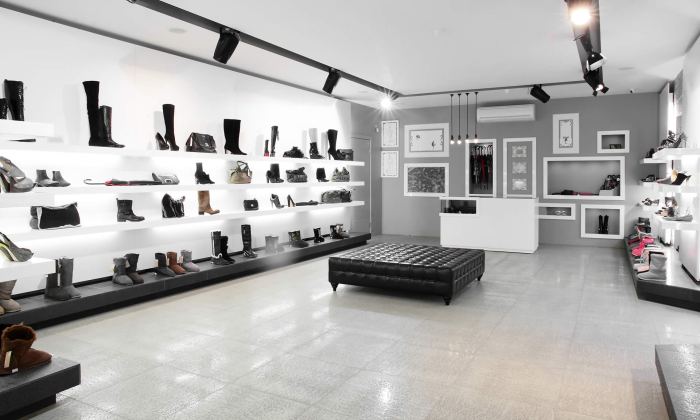
Effective shop interior design encompasses various key elements that work together to create a cohesive and inviting space for customers. These elements include lighting, color scheme, layout, and furniture selection. By carefully considering each of these aspects, retailers can enhance the overall shopping experience and reinforce their brand identity.
Lighting
Good lighting is essential in a retail space as it can influence the mood and ambiance. Natural light is ideal but artificial lighting can also be strategically used to highlight products and create focal points. It’s important to balance different types of lighting to avoid shadows and ensure a well-lit environment for customers.
Color Scheme
The color scheme of a shop should align with the brand’s identity and target audience. Colors can evoke emotions and set the tone for the shopping experience. By choosing a cohesive color palette that reflects the brand’s values, retailers can create a memorable and engaging atmosphere for customers.
Layout
The layout of a shop plays a crucial role in guiding customers through the space and optimizing their shopping journey. A well-designed layout should consider traffic flow, product placement, and the overall customer experience. By creating designated areas for different product categories and incorporating signage, retailers can help customers navigate the store more easily.
Furniture Selection
The furniture in a shop should not only be functional but also complement the overall design aesthetic. Choosing furniture pieces that align with the brand’s style and values can enhance the visual appeal of the space. Additionally, furniture can be used to create different zones within the shop, such as seating areas or display areas, to further engage customers.Incorporating branding elements, such as logos, slogans, and brand colors, into the shop’s interior design can reinforce brand recognition and create a cohesive brand experience for customers.
By integrating these branding elements seamlessly into the overall design, retailers can establish a strong brand presence and leave a lasting impression on customers.
Trends in Shop Interior Design
Shop interior design trends are constantly evolving to meet the changing needs and preferences of consumers. Let’s take a look at some of the current trends shaping the world of shop interior design.
Traditional vs. Modern Design Approaches
Traditional shop interior design often focuses on creating a cozy and welcoming atmosphere through the use of warm colors, wooden furniture, and intricate details. On the other hand, modern design approaches embrace minimalism, clean lines, and innovative materials to create a sleek and contemporary look.
Both styles have their own unique appeal, and the choice between traditional and modern design often depends on the target market and brand identity.
Technology Integration in Shop Design
Technology integration is revolutionizing the landscape of shop interior design. From interactive displays and digital signage to mobile payment systems and virtual reality experiences, technology is being used to enhance the customer shopping experience and streamline operations. Retailers are increasingly leveraging technology to create immersive and personalized shopping environments that cater to the needs and preferences of modern consumers.
Maximizing Space in Shop Interior Design
When working with limited space in shop interiors, it’s essential to come up with strategies to optimize the layout effectively. This includes considering flow, accessibility, and creative solutions to make the most out of the available space.
Importance of Flow and Accessibility
Ensuring a smooth flow and easy accessibility within the shop layout is crucial for maximizing space. Customers should be able to move around effortlessly, find products easily, and have a pleasant shopping experience.
- Utilize open shelving and display units to create an airy and spacious feel.
- Place popular items and high-margin products at eye level to attract customer attention.
- Consider a circular or zig-zag layout to guide customers through the store efficiently.
Creative Solutions for Small Shop Spaces
Small shop spaces require innovative solutions to make the most of every inch. Here are some creative ideas to maximize space:
- Use vertical space by installing wall-mounted shelves or display units.
- Opt for multi-functional furniture pieces that can serve dual purposes.
- Implement a minimalist design approach to avoid clutter and make the space feel larger.
Creating a Unique Shop Identity through Design
Design plays a crucial role in setting a shop apart from its competitors. It is a powerful tool that can help create a distinct identity for a store, making it more memorable and appealing to customers. By focusing on unique design elements, a shop can stand out in a crowded market and attract more visitors.
Role of Storytelling and Theme Development
Storytelling and theme development are essential aspects of creating a unique shop identity through design. By crafting a compelling narrative or theme for the store, retailers can engage customers on an emotional level. This can help build a connection with the brand and make the shopping experience more immersive and memorable.
- Use storytelling to create a cohesive brand narrative that resonates with customers.
- Develop a theme that reflects the values and personality of the shop.
- Incorporate elements of storytelling and theme development into the overall design of the store, including signage, decor, and layout.
Incorporating Local Culture or History
One effective way to create a unique shop identity is by incorporating local culture or history into the design. By celebrating the heritage of the community where the shop is located, retailers can connect with customers on a deeper level and foster a sense of belonging.
- Research the local culture and history to identify key elements that can be integrated into the design.
- Use local materials, colors, and motifs to create a sense of place and authenticity.
- Highlight local artisans or traditions in the store design to showcase the uniqueness of the community.
Last Recap
As we conclude our exploration of shop interior design, remember that the key to success lies in creating a space that not only reflects your brand but also resonates with your customers on a deeper level. By staying informed about the latest trends and implementing innovative design strategies, you can ensure that your shop stands out in a crowded marketplace.
Key Questions Answered
How does interior design impact a shop’s success?
Interior design can greatly influence a shop’s success by creating a welcoming atmosphere that attracts customers and enhances their shopping experience.
What are some key elements of effective shop interior design?
Key elements include lighting, color scheme, layout, and furniture selection, all of which contribute to creating a cohesive and visually appealing space.
How can design help create a unique shop identity?
Design plays a crucial role in setting a shop apart from competitors by incorporating branding elements, storytelling, and local culture to create a distinct identity.