As Reduce vacancy rates for rental properties takes center stage, this opening passage beckons readers with engaging insights into how to effectively decrease vacancy rates for rental properties. From setting competitive rental prices to leveraging technology, this guide offers a comprehensive approach to tackling this common challenge faced by property owners and investors.
In the following sections, we will delve into specific strategies and techniques to help you reduce vacancy rates, retain tenants, and optimize property management using innovative solutions.
Understanding Vacancy Rates
Vacancy rates for rental properties refer to the percentage of units within a rental property that are unoccupied or available for rent at a given time. It is a crucial metric for property owners and investors as it directly impacts the cash flow and profitability of the investment.High vacancy rates can have a significant negative impact on property owners and investors.
Not only does it result in a loss of rental income, but it can also lead to increased maintenance costs as vacant properties may deteriorate over time. Additionally, high vacancy rates can signal underlying issues such as poor property management, undesirable location, or lack of demand in the market.Factors that contribute to high vacancy rates include economic conditions, market saturation, property condition, rental rates, and competition from other properties.
For example, during periods of economic downturn, people may be more inclined to downsize or delay moving, leading to higher vacancy rates in rental properties. Similarly, if a property is poorly maintained or priced above market rates, it may struggle to attract tenants, resulting in high vacancy rates.
Impact of Economic Conditions
- Economic downturns can lead to job losses and financial instability, reducing the demand for rental properties.
- Uncertainty in the economy can cause individuals to delay moving or opt for more affordable housing options.
- High unemployment rates can result in a decrease in migration and housing demand.
Strategies to Reduce Vacancy Rates
Setting competitive rental prices, improving property maintenance and curb appeal, and implementing effective marketing strategies are crucial in reducing vacancy rates for rental properties.
Setting Competitive Rental Prices
- Research the local rental market to understand the average rental rates in your area.
- Consider factors such as location, amenities, and property size when determining your rental price.
- Offer incentives such as discounts or flexible lease terms to attract potential tenants.
- Regularly review and adjust your rental prices to stay competitive in the market.
Improving Property Maintenance and Curb Appeal
- Regularly inspect and maintain your property to ensure it is in good condition for potential tenants.
- Enhance curb appeal by landscaping, painting, and making necessary repairs to attract tenants.
- Invest in upgrades such as new appliances or modern fixtures to make your property more appealing.
- Create a welcoming environment that tenants will be proud to call home.
Effective Marketing Strategies to Attract Tenants
- Utilize online listing platforms and social media to reach a wider audience of potential tenants.
- Highlight the unique features and benefits of your property in your listings and marketing materials.
- Host open houses and virtual tours to showcase your property to interested tenants.
- Collaborate with real estate agents or property management companies to help market your property effectively.
Tenant Retention Techniques

To reduce turnover rates and enhance tenant satisfaction, landlords can implement various strategies to encourage long-term lease agreements. Fostering positive relationships with tenants is essential in creating a sense of community and trust within the property.
Enhancing Tenant Satisfaction
- Regular communication with tenants to address any concerns or maintenance issues promptly.
- Providing amenities such as on-site laundry, parking spaces, or community events to enhance the living experience.
- Ensuring fair and timely handling of security deposits and lease agreements.
Significance of Landlord-Tenant Relationships
Building a positive relationship with tenants can lead to increased loyalty, reduced turnover, and a higher likelihood of lease renewals.
Incentives for Lease Renewals
- Offering rent discounts or incentives for tenants who renew their leases for an extended period.
- Providing upgrades or improvements to the rental unit as a reward for lease renewals.
- Creating a referral program where tenants can earn rewards for referring new tenants to the property.
Leveraging Technology
Technology plays a crucial role in streamlining property management processes for rental properties. From online platforms for tenant communication to utilizing data analytics, there are numerous benefits to leveraging technology in reducing vacancy rates.
Online Platforms for Tenant Communication and Rent Collection
Online platforms are convenient tools that allow landlords to communicate with tenants efficiently and effectively. They provide a centralized space for sharing important information, such as maintenance requests, rental payment reminders, and lease updates. By using online platforms, landlords can ensure timely communication, leading to better tenant satisfaction and retention.Moreover, online platforms also simplify the rent collection process.
Tenants can easily make payments online, reducing the risk of late or missed payments. Landlords can track payment histories, automate rent reminders, and generate financial reports seamlessly. This not only saves time but also improves cash flow management for rental properties.
Utilizing Data Analytics to Predict and Prevent Vacancies
Data analytics tools can help landlords analyze trends and patterns in rental property performance. By examining historical data on vacancy rates, market demand, and tenant turnover, landlords can predict potential vacancies and take proactive measures to prevent them.For example, data analytics can identify factors that contribute to high turnover rates, such as rent increases, maintenance issues, or poor communication.
Landlords can then address these issues promptly to improve tenant satisfaction and retention. Additionally, data analytics can help landlords set competitive rental prices, optimize marketing strategies, and make informed decisions to attract and retain tenants effectively.In conclusion, leveraging technology in property management can significantly reduce vacancy rates for rental properties.
Online platforms enhance communication and rent collection processes, while data analytics provide valuable insights to predict and prevent vacancies. By embracing technology, landlords can optimize their property management practices and improve overall rental property performance.
Last Point
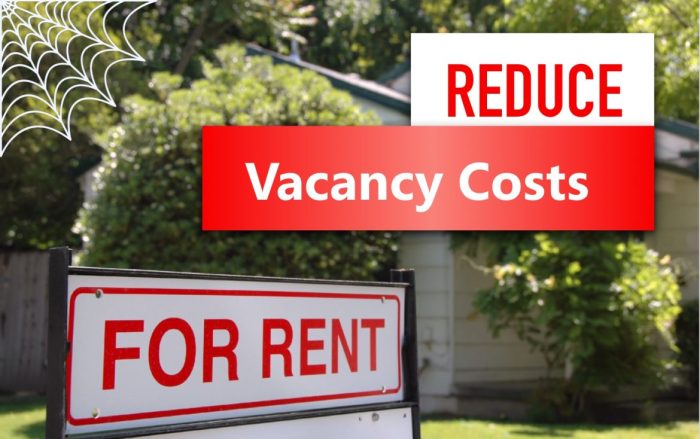
In conclusion, by implementing the strategies Artikeld in this guide, property owners and investors can take proactive steps to minimize vacancy rates, enhance tenant satisfaction, and maximize rental property profitability. With a combination of effective pricing, maintenance, tenant retention techniques, and technological tools, reducing vacancy rates for rental properties is not only achievable but also sustainable in the long run.
Questions and Answers
What are vacancy rates for rental properties?
Vacancy rates for rental properties refer to the percentage of unoccupied rental units in a particular area or property over a certain period of time.
How can setting competitive rental prices help reduce vacancy rates?
Setting competitive rental prices can attract more potential tenants, reducing the time it takes to fill vacancies and minimizing lost rental income.
Why is tenant satisfaction important in reducing vacancy rates?
Enhancing tenant satisfaction can lead to longer lease agreements and higher tenant retention rates, ultimately reducing vacancy rates for rental properties.
How can technology streamline property management processes to reduce vacancies?
Technology can automate tasks, improve communication with tenants, and provide data analytics that help predict and prevent vacancies, leading to more efficient property management.