Delve into the world of modern house architecture, where innovation meets design in a seamless blend of creativity and functionality. From sustainable practices to influential architects, this captivating overview will guide you through the key elements that shape the modern architectural landscape.
As we navigate through the intricate details of modern house architecture, you will gain a deeper understanding of its defining characteristics and the evolution of this dynamic design style.
Definition of Modern House Architecture
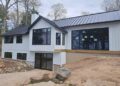
Modern house architecture refers to a style of residential design that emphasizes simplicity, clean lines, and the use of modern materials such as glass, steel, and concrete. It is characterized by an open floor plan, large windows, and a connection between indoor and outdoor spaces.
Key Characteristics of Modern House Architecture
- Minimalist design: Modern houses often feature clean lines and simple forms, avoiding ornate decorations.
- Open floor plan: Spaces flow seamlessly into one another, creating a sense of spaciousness and freedom.
- Large windows: Natural light is maximized through expansive windows that also provide views of the surrounding landscape.
- Integration of nature: Modern houses often incorporate outdoor elements, such as courtyards or gardens, blurring the lines between indoor and outdoor spaces.
- Use of modern materials: Glass, steel, and concrete are common materials used in modern house architecture, giving the design a sleek and contemporary look.
Examples of Famous Modern House Architecture Designs
- Fallingwater by Frank Lloyd Wright: This iconic house in Pennsylvania is a masterpiece of modern architecture, with its cantilevered design and integration with the natural landscape.
- Case Study House #22 by Pierre Koenig: Located in Los Angeles, this house is a prime example of mid-century modern architecture, featuring a steel frame and floor-to-ceiling glass walls.
- Villa Savoye by Le Corbusier: Situated in France, this modernist villa is known for its pilotis (supports), open floor plan, and roof terrace, embodying the principles of modern architecture.
Elements of Modern House Architecture
In modern house architecture, several key elements define the style and design of the structure. These elements focus on simplicity, functionality, and innovation to create a sleek and contemporary look.
Minimalist Design
Modern house architecture often features a minimalist design approach, with clean lines, open spaces, and simple forms. This design aesthetic eliminates unnecessary clutter and focuses on essential elements to create a sense of spaciousness and tranquility.
Use of Industrial Materials
Materials such as steel, glass, and concrete are commonly used in modern house architecture to create a sleek and industrial look. These materials not only provide durability and strength but also add a touch of sophistication and modernity to the design.
Sustainable Practices
Modern house architecture often incorporates sustainable practices such as energy-efficient systems, passive solar design, and the use of eco-friendly materials. This focus on sustainability not only reduces the environmental impact of the building but also enhances the overall quality of living for its occupants.
Integration of Technology
Technology plays a significant role in modern house architecture, with smart home systems, energy-efficient appliances, and automated features becoming standard inclusions. These technological advancements not only enhance the functionality of the home but also improve the overall comfort and convenience for its residents.
Open Floor Plans
Modern house architecture typically includes open floor plans that create a seamless flow between different living spaces. This design feature promotes connectivity and social interaction within the home while maximizing natural light and ventilation.
Comparison with Traditional and Contemporary Styles
Compared to traditional architecture, modern house architecture focuses on innovation, minimalism, and functionality rather than ornate detailing and historical references. In contrast to contemporary styles, modern architecture tends to have a more streamlined and futuristic aesthetic, with a strong emphasis on cutting-edge technology and sustainable practices.
Sustainable Practices in Modern House Architecture
When it comes to modern house architecture, sustainability is a key focus. Architects and designers are increasingly incorporating eco-friendly practices to reduce the environmental impact of buildings and create healthier living spaces.
Use of Eco-Friendly Materials
One of the main sustainable design practices in modern house architecture is the use of eco-friendly materials. These materials are sourced and manufactured in a way that minimizes harm to the environment. Examples of eco-friendly materials commonly used in modern house architecture include:
- Bamboo: Known for its rapid growth and renewability, bamboo is a popular choice for flooring, furniture, and even structural elements in modern homes.
- Recycled Glass: Glass that has been recycled from bottles or other sources can be used in countertops, tiles, and decorative elements, reducing the demand for new glass production.
- Reclaimed Wood: Salvaged wood from old buildings, barns, or other structures can be repurposed for flooring, paneling, and furniture in modern homes, adding character and reducing the need for new wood resources.
Energy-Efficient Features
Energy efficiency is another important aspect of sustainable modern house architecture. By incorporating energy-efficient features, homes can reduce their carbon footprint and lower utility costs. Some common energy-efficient features found in modern house architecture include:
- Solar Panels: Solar panels harness the power of the sun to generate electricity for the home, reducing reliance on traditional energy sources.
- High-performance Windows: Energy-efficient windows with low-E coatings and insulated frames help to keep the home insulated and reduce heating and cooling costs.
- LED Lighting: LED light fixtures use significantly less energy than traditional incandescent bulbs and can last much longer, reducing the need for frequent bulb replacements.
Interior Design in Modern House Architecture
Interior design plays a crucial role in complementing the overall aesthetic and functionality of modern house architecture. The seamless integration of interior spaces with the architectural design creates a cohesive and harmonious living environment.
Concept of Open Floor Plans
Open floor plans are a key feature of modern house architecture, emphasizing spaciousness and connectivity within the living spaces. By removing walls and barriers, open floor plans promote a sense of flow and unity between different areas of the house.
This design approach allows for better natural light penetration and creates a more sociable and interactive living environment.
Integration of Natural Light and Green Spaces
In modern house interior design, the incorporation of natural light and green spaces is essential for creating a sustainable and healthy living environment. Large windows, skylights, and glass doors are commonly used to maximize natural light exposure and reduce the reliance on artificial lighting.
Additionally, integrating indoor plants, vertical gardens, and outdoor green spaces within the interior design enhances air quality, promotes biophilia, and creates a connection to nature within the living spaces.
Influential Modern House Architects
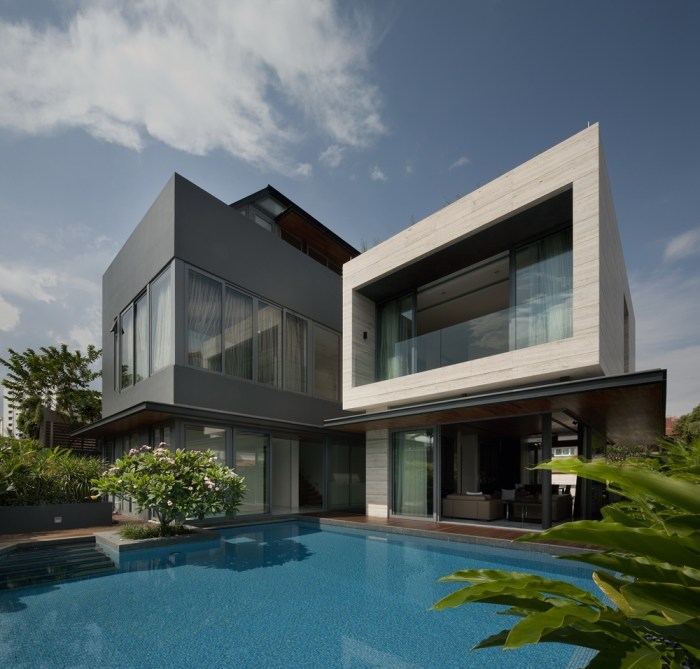
Throughout history, there have been several architects who have left a lasting impact on modern house architecture through their innovative designs and unique approaches. These influential figures have shaped the way we perceive and experience residential spaces, pushing the boundaries of creativity and functionality.
Frank Lloyd Wright
Famous for his organic architecture approach, Frank Lloyd Wright believed in designing structures that harmonized with their natural surroundings. His signature style included open floor plans, horizontal lines, and integration of nature into the living spaces. Wright’s work paved the way for modernist architecture and emphasized the connection between indoor and outdoor spaces.
Le Corbusier
Le Corbusier, a pioneer of modern architecture, introduced the concept of “machines for living” with his functionalist approach. He focused on geometric forms, pilotis (supports), and horizontal windows to create efficient and minimalist living spaces. Le Corbusier’s work emphasized the importance of light, air, and open-plan layouts in modern house design.
Mies van der Rohe
Known for his famous phrase “less is more,” Mies van der Rohe was a leading figure in the development of modern architecture. His designs featured clean lines, open spaces, and the innovative use of materials like glass and steel. Mies van der Rohe’s work influenced the International Style movement and laid the foundation for contemporary minimalist design.
Ultimate Conclusion
In conclusion, modern house architecture stands as a testament to human ingenuity and creativity, pushing boundaries and redefining the concept of living spaces. From eco-friendly practices to cutting-edge technology, the future of architectural design is indeed a fascinating journey awaiting exploration.
Essential FAQs
What defines modern house architecture?
Modern house architecture is characterized by clean lines, minimalism, and an emphasis on open spaces that seamlessly blend indoor and outdoor living.
How does technology influence modern house architecture?
Technology plays a crucial role in modern house architecture, allowing for innovative designs, energy-efficient systems, and smart home features that enhance the living experience.
Who are some influential modern house architects?
Architects like Frank Lloyd Wright, Richard Neutra, and Zaha Hadid have made significant contributions to modern house architecture with their unique design philosophies and groundbreaking projects.