Embark on a journey through the captivating history and architectural wonders of the renowned Gaudi Cathedral. From its inception to the cultural impact it holds today, this iconic landmark in Barcelona is sure to leave you in awe.
Delve into the intricate details of Antoni Gaudi’s masterpiece and uncover the secrets behind its unique design elements.
History of Gaudi Cathedral
The Gaudi Cathedral, officially known as the Basilica de la Sagrada Familia, is a renowned masterpiece located in Barcelona, Spain. Its construction began in 1882 under architect Francisco de Paula del Villar, but it was Antoni Gaudi who took over the project a year later and dedicated the rest of his life to its completion.
Antoni Gaudi’s Involvement
Antoni Gaudi’s unique vision and innovative architectural style left an indelible mark on the cathedral’s design. His deep religious beliefs inspired the construction of a symbol that would reflect the glory of God through its intricate details and symbolism.
Architectural Influences
- Gaudi drew inspiration from nature, incorporating organic shapes and forms into the cathedral’s design. The use of hyperbolic geometry and intricate facades adorned with sculptures of biblical scenes set it apart from traditional Gothic architecture.
- The cathedral also showcases influences from Catalan Modernism, a movement that Gaudi helped define. The use of vibrant colors, innovative structural solutions, and a focus on craftsmanship are evident throughout the building.
- Gaudi’s reverence for light is reflected in the cathedral’s interior, where stained glass windows bathe the space in a kaleidoscope of colors, creating a spiritual atmosphere that transcends the ordinary.
Architectural Features
Gaudi Cathedral, officially known as the Sagrada Familia, is renowned for its unique and intricate architectural features that reflect Antoni Gaudi’s distinctive style. From its towering spires to its intricate facade, the cathedral stands as a masterpiece of Gothic and Art Nouveau design.
Exterior Facade
The exterior facade of the Gaudi Cathedral is a stunning display of intricate sculptures and symbols. Each figure and ornament is meticulously crafted to tell a story or convey a message. Gaudi’s attention to detail is evident in every carving, adding depth and meaning to the overall design.
Spires and Towers
One of the most striking features of the cathedral is its towering spires and towers, reaching up towards the sky. Gaudi’s use of innovative structural techniques and organic shapes creates a sense of movement and dynamism in the architecture. The spires are adorned with intricate sculptures and symbols, adding to the overall grandeur of the structure.
Natural Elements
Gaudi drew inspiration from nature in his architectural designs, and the Gaudi Cathedral is no exception. The columns inside the cathedral resemble trees reaching up towards the ceiling, creating a sense of being in a forest. The use of natural light and vibrant colors further enhances this connection to the natural world.
Symbolism
Many of the architectural elements in the Gaudi Cathedral are rich in symbolism. The facades are adorned with biblical scenes and religious symbols, each with its own significance. The use of geometric shapes and patterns throughout the design also carries symbolic meaning, reflecting Gaudi’s spiritual and philosophical beliefs.
Construction Process
During the construction of the Gaudi Cathedral, several challenges were faced due to the ambitious and intricate design envisioned by Antoni Gaudi. The unconventional architectural features and the sheer scale of the project posed significant obstacles for the builders.
Innovative Construction Techniques
The construction of the Gaudi Cathedral employed innovative techniques that were ahead of its time. One notable method used was the “trencadís” technique, which involved creating intricate mosaics using broken pieces of ceramic tiles. Gaudi also utilized hyperbolic geometry to design the unique shapes and curves of the cathedral’s towers and facades.
Key Milestones in Construction Timeline
- Construction began in 1882 under the direction of Antoni Gaudi and continued for over a century.
- The completion of the Nativity Facade in 1930 marked a significant milestone in the construction process.
- Despite interruptions due to the Spanish Civil War and financial constraints, work on the cathedral continued, with the consecration of the main nave in 2010.
- As of today, the Gaudi Cathedral, also known as the Sagrada Familia, is still under construction, with an estimated completion date set for 2026 to coincide with the 100th anniversary of Gaudi’s death.
Cultural Impact
The Gaudi Cathedral, also known as the Sagrada Familia, holds immense cultural significance in Barcelona. This iconic cathedral has become a symbol of the city, drawing visitors from all over the world to marvel at its unique design and grandeur.
Symbol of Barcelona
The Gaudi Cathedral is not just a place of worship but a representation of Barcelona’s rich history and cultural identity. Its distinctive architectural style blends Gothic and Art Nouveau elements, reflecting the city’s diverse cultural influences over the centuries.
Influence on Modern Architecture
Antoni Gaudi’s innovative approach to design and construction at the cathedral has greatly influenced modern architecture and design. His use of organic shapes, intricate detailing, and incorporation of natural elements has inspired architects and designers worldwide to think outside the box and push boundaries in their creations.
Final Summary
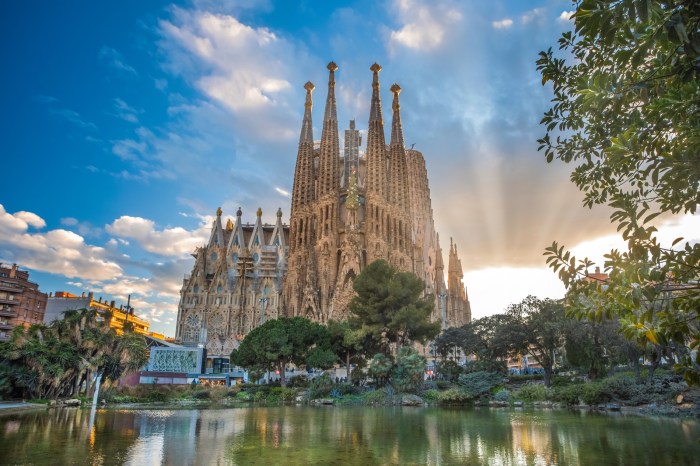
As we conclude our exploration of the Gaudi Cathedral, we are left with a profound appreciation for its beauty and historical significance. This architectural marvel continues to inspire and intrigue visitors from around the world, solidifying its place as a true gem of Barcelona.
Frequently Asked Questions
What is the main architectural influence behind the Gaudi Cathedral’s design?
The main architectural influence behind the Gaudi Cathedral’s design is the unique blend of Gothic and Art Nouveau styles, creating a one-of-a-kind masterpiece.
How long did it take to construct the Gaudi Cathedral?
Construction of the Gaudi Cathedral began in 1882 and is still ongoing today, making it a project that has spanned over a century.
Why is the Gaudi Cathedral considered a cultural icon of Barcelona?
The Gaudi Cathedral is considered a cultural icon of Barcelona due to its symbolic representation of the city’s rich history, artistic prowess, and architectural innovation.