Exterior stucco siding has been a staple in architecture for centuries, offering a unique blend of elegance and durability to buildings. As we delve into the intricacies of this versatile material, we uncover a story that spans generations, highlighting its evolution and significance in the construction industry.
From its humble beginnings to its modern-day applications, exterior stucco siding remains a timeless choice for homeowners and architects alike, standing the test of time with its timeless charm and practical benefits.
Introduction to Exterior Stucco Siding
Exterior stucco siding is a type of finish applied to the exterior walls of buildings to provide a durable, decorative, and weather-resistant surface. It is made of cement, sand, lime, and water, creating a hard, low-maintenance outer layer.Stucco siding has a rich history dating back to ancient civilizations such as the Greeks and Romans, who used it in their architecture for its durability and aesthetic appeal.
Over time, stucco has evolved to include various mixtures and techniques, adapting to different climates and architectural styles.
Common Applications of Stucco Siding
Stucco siding is commonly used in residential and commercial buildings for its versatility and longevity. Some of the common applications of stucco siding in architecture include:
- Exterior Walls: Stucco siding can be applied to the exterior walls of buildings to provide a seamless and textured finish, enhancing the overall aesthetic appeal.
- Architectural Details: Stucco can be used to create decorative architectural details such as cornices, moldings, and trim, adding a touch of elegance to the building.
- Exterior Insulation: Stucco siding can also serve as an insulating layer, helping to regulate the temperature inside the building and improve energy efficiency.
- Retail and Commercial Spaces: Stucco siding is popular in retail and commercial spaces for its durability and ability to create a clean, modern look.
Benefits of Exterior Stucco Siding
Stucco siding offers a multitude of advantages for exterior surfaces, making it a popular choice among homeowners and builders alike. Let’s explore some of the key benefits of using stucco siding:
1. Durability
Stucco siding is renowned for its exceptional durability, capable of withstanding various weather conditions and harsh elements over time. Unlike wood or vinyl siding, stucco does not rot, warp, or deteriorate easily, providing long-lasting protection for your home’s exterior.
2. Energy Efficiency
One of the significant benefits of stucco siding is its energy efficiency. Stucco acts as a natural insulator, helping to regulate indoor temperatures by keeping the heat out during the summer and trapping warmth inside during the winter. This can result in reduced energy consumption and lower utility bills for homeowners.
Types of Exterior Stucco Finishes
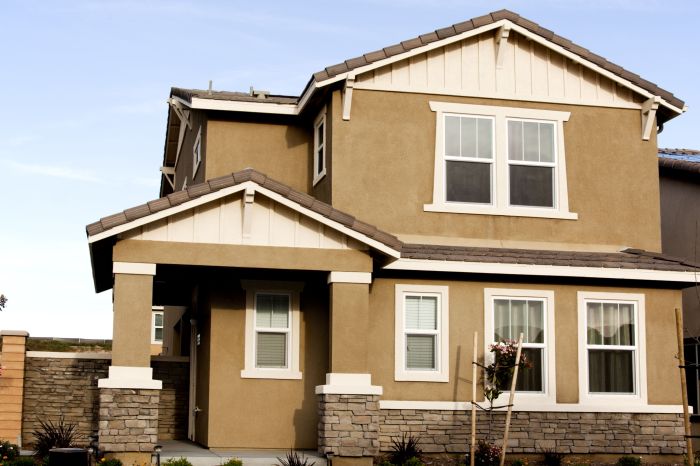
When it comes to exterior stucco finishes, there are several options available to choose from. Each type of finish offers a unique texture and appearance, allowing homeowners to customize the look of their property to suit their preferences.
Smooth Stucco Finish
A smooth stucco finish is exactly as it soundssmooth and sleek. This type of finish provides a clean and modern look to the exterior of a building. Smooth stucco finishes are often chosen for contemporary or minimalist designs where a uniform and polished appearance is desired.
Textured Stucco Finish
Textured stucco finishes, on the other hand, add depth and dimension to the exterior walls. These finishes can range from subtle textures to more pronounced patterns, such as swirls, dashes, or even custom designs. Textured stucco finishes are popular for adding visual interest and character to a building’s facade.
Color Choices and Effects
The color choices for stucco finishes play a significant role in the overall aesthetic of a property. Lighter colors can make a building appear larger and more open, while darker colors can create a sense of coziness and intimacy. Additionally, color can impact the way natural light reflects off the surface, influencing the mood and ambiance of the space.
Installation Process of Exterior Stucco Siding
Installing stucco siding on a building involves several important steps that ensure a durable and visually appealing finish. Proper surface preparation, application techniques, and post-installation care are crucial for the longevity of the stucco.
Surface Preparation
Before applying stucco, it is essential to prepare the surface properly. This includes cleaning the substrate, repairing any cracks or damage, and applying a weather-resistant barrier to prevent moisture infiltration. Proper surface preparation ensures better adhesion and longevity of the stucco finish.
- Thoroughly clean the surface to remove dirt, debris, and loose paint.
- Repair any cracks or imperfections in the substrate using a suitable patching material.
- Apply a weather-resistant barrier, such as building paper or a synthetic stucco wrap, to protect the interior structure from moisture.
Application of Stucco
Once the surface is properly prepared, the stucco can be applied using traditional or synthetic methods. Traditional stucco is a mixture of Portland cement, sand, and water, while synthetic stucco is a pre-mixed product that can be directly applied to the surface.
- Apply the stucco mixture in several coats, starting with a scratch coat for adhesion, followed by a brown coat for strength, and finishing with a color coat for aesthetics.
- Use a trowel to spread and texture the stucco evenly across the surface, ensuring a uniform finish.
- Allow each coat to cure properly before applying the next coat to prevent cracking and ensure proper bonding.
Curing and Maintenance
After the stucco is applied, it is crucial to allow it to cure properly to achieve maximum strength and durability. Curing time can vary depending on the weather conditions, but generally, stucco should be kept damp for several days to ensure proper hydration.
Proper maintenance of stucco siding involves regular inspection for cracks or damage, cleaning with a mild detergent, and repainting as needed to maintain its appearance and protective qualities.
Maintenance and Repairs for Exterior Stucco Siding
Maintaining the appearance and integrity of exterior stucco siding is crucial to ensure its longevity and functionality. By following some simple tips and being proactive with repairs, you can keep your stucco siding in top condition for years to come.
Common Maintenance Tips for Exterior Stucco Siding
- Regularly inspect the stucco surface for any cracks, chips, or damage.
- Keep the stucco clean by washing it with a mild detergent and water to remove dirt and debris.
- Trim any vegetation or bushes near the stucco to prevent moisture buildup and damage.
- Monitor the caulking and sealant around windows and doors to ensure a tight seal.
Common Issues and Repairs for Exterior Stucco Siding
- Cracking:Cracks in stucco can occur due to settling of the foundation or temperature changes. Repair cracks promptly by filling them with a stucco patching compound.
- Mold and Mildew:Moisture can lead to the growth of mold and mildew on stucco. Clean affected areas with a mixture of water and bleach, and ensure proper drainage to prevent future growth.
- Efflorescence:White, powdery deposits on the stucco surface indicate efflorescence. Remove the deposits with a stiff brush and address the underlying moisture issue.
Importance of Regular Inspections and Repairs
Regular inspections of your exterior stucco siding can help you catch minor issues before they escalate into major problems. By addressing repairs promptly and maintaining the stucco properly, you can extend its lifespan and preserve the beauty of your home’s exterior.
Last Word
In conclusion, exterior stucco siding stands as a testament to the enduring allure of traditional building materials, seamlessly blending aesthetics with functionality. Whether adorning a historic landmark or a contemporary structure, stucco siding continues to captivate with its timeless appeal and unmatched versatility.
Expert Answers
How long does exterior stucco siding typically last?
With proper maintenance, exterior stucco siding can last up to 50 years or more, making it a durable and long-lasting choice for homeowners.
Can you paint exterior stucco siding?
Yes, exterior stucco siding can be painted to change its color or refresh its appearance. Make sure to use breathable paint specifically designed for stucco surfaces.
Is exterior stucco siding susceptible to cracks?
While stucco is a durable material, it can develop hairline cracks over time due to settling or temperature changes. These cracks are usually cosmetic and can be repaired easily.