Beginning with Charles Eames, a visionary designer ahead of his time, this exploration delves into the extraordinary life and work of a creative genius who revolutionized the world of furniture design.
Detailing his early influences, educational background, and significant events that paved the way for his iconic designs, this narrative sets the stage for a captivating journey through the legacy of Charles Eames.
Early Life and Education
Charles Eames, born in 1907, grew up in St. Louis, Missouri, in a family that valued creativity and craftsmanship. His father was an industrialist, which exposed him to the world of design and innovation from a young age. This early influence played a significant role in shaping his future career path. Eames studied architecture at Washington University in St.
Louis, where he developed a deep appreciation for the relationship between design and function. This educational background laid the foundation for his design philosophy, emphasizing the importance of combining form and function in his work.
Eames’ Design Philosophy
- Emphasis on functionality: Eames believed that good design should not only be aesthetically pleasing but also practical and efficient in its use.
- Experimentation with materials: He was known for his innovative use of materials, such as molded plywood and fiberglass, pushing the boundaries of traditional design.
- Collaborative approach: Eames often collaborated with his wife, Ray Eames, bringing together different perspectives and skills to create groundbreaking designs.
Design Contributions
Charles Eames is renowned for his iconic designs that have made a lasting impact on the modern furniture industry. His innovative use of materials in furniture design set new standards and pushed boundaries in the field.
Iconic Designs
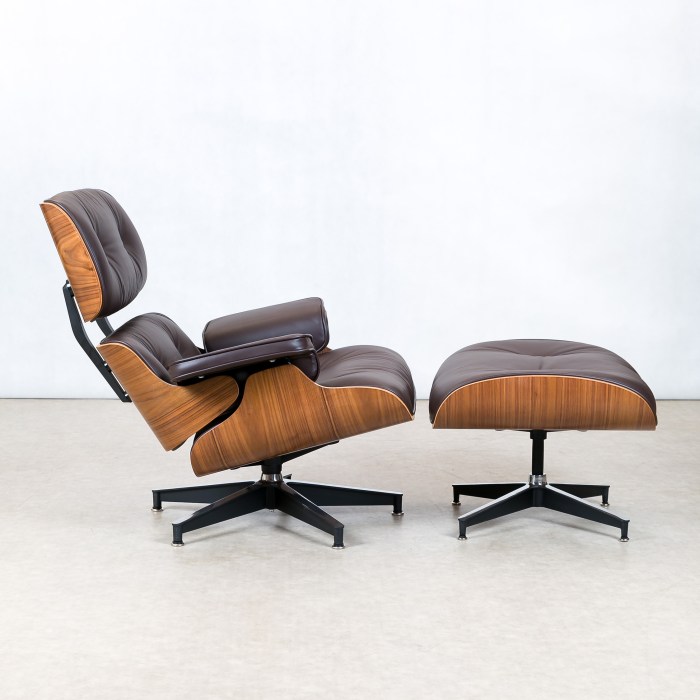
Some of Charles Eames’ most famous designs include the Eames Lounge Chair and Ottoman, the Eames Molded Plywood Chair, and the Eames Wire Chair. These pieces are not only visually striking but also highly functional, showcasing Eames’ attention to detail and craftsmanship.
Innovative Use of Materials
Eames revolutionized furniture design by experimenting with materials like molded plywood, fiberglass, and wire mesh. His ability to combine these materials in innovative ways resulted in lightweight yet durable furniture pieces that were both aesthetically pleasing and comfortable to use.
Impact on the Modern Furniture Industry
Charles Eames’ designs have had a profound influence on the modern furniture industry, inspiring generations of designers to think outside the box and push the boundaries of what is possible. His emphasis on functionality, comfort, and beauty continues to resonate with designers and consumers alike, cementing his legacy as a pioneer in the world of design.
Collaboration with Ray Eames
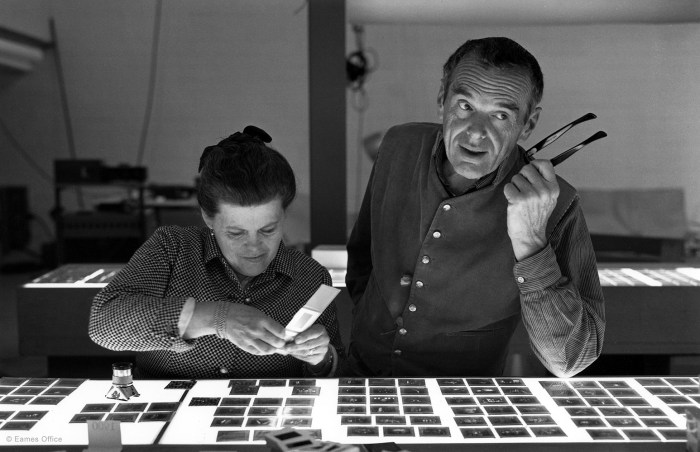
Charles Eames and Ray Eames, a married couple, formed one of the most iconic design partnerships in history. Their collaboration was characterized by a deep mutual respect for each other’s talents and a shared vision for innovative design.
Key Projects
- The Eames Lounge Chair: One of their most famous creations, the Eames Lounge Chair revolutionized furniture design with its combination of comfort, style, and craftsmanship.
- Eames House (Case Study House 8): A landmark of mid-century modern architecture, the Eames House showcased their innovative use of materials and focus on functionality.
- Powers of Ten: A groundbreaking short film that visualized the scale of the universe, demonstrating their ability to blend science, art, and design seamlessly.
Influence on Design Trends
The Eames’ collaboration had a lasting impact on design trends, influencing a wide range of disciplines from furniture design to architecture and film. Their emphasis on experimentation, functionality, and aesthetics set new standards for modern design and continues to inspire designers around the world.
Design Philosophy
Charles Eames was known for his innovative design principles that focused on functionality, simplicity, and accessibility. He believed that design should serve a purpose and enhance the user’s experience while also being aesthetically pleasing.
Form Follows Function
One of Charles Eames’ key design principles was the idea that form should always follow function. This means that the design of an object should be dictated by its intended use and purpose. Eames believed that the function of an object should always be the primary consideration in the design process, with form being a natural result of that function.
- Eames’ furniture designs, such as the iconic Eames Lounge Chair, exemplify the principle of form following function. The chair’s ergonomic shape and comfortable design were a direct result of its intended use as a lounge chair for relaxation.
- By prioritizing function in his designs, Eames was able to create products that not only looked beautiful but also served a practical purpose in people’s lives.
The Eames Look
“The Eames Look” refers to the distinctive aesthetic style that Charles Eames and his wife Ray Eames brought to their designs. This look was characterized by clean lines, organic shapes, and a focus on comfort and usability. The Eames’ designs often combined traditional materials with new technologies to create innovative and timeless pieces.
Charles Eames once said, “The details are not the details. They make the design.”
- The Eames Look can be seen in their iconic molded plywood chairs, which revolutionized furniture design with their combination of form, function, and affordability.
- This design philosophy of blending form and function to create accessible and visually appealing products continues to influence designers and architects to this day.
Legacy and Influence
Charles Eames left a profound legacy in the design world, revolutionizing the way we think about furniture and interior design. His innovative approach and iconic designs continue to inspire designers across the globe.
Lasting Impact
Charles Eames’ work has stood the test of time, influencing generations of designers with his emphasis on functionality, simplicity, and beauty. His iconic furniture pieces, such as the Eames Lounge Chair and Ottoman, have become timeless classics that are still coveted today.
Inspiration for Designers
- Eames’ focus on experimentation and pushing the boundaries of traditional design has inspired designers to think outside the box and create innovative solutions.
- His use of new materials and manufacturing techniques has paved the way for modern design practices, encouraging designers to explore new possibilities.
- The collaborative spirit that Charles Eames embodied in his work with Ray Eames has inspired designers to seek out partnerships and collaborations to enhance their creativity and vision.
Influence Beyond Furniture
While Charles Eames is best known for his furniture designs, his influence extends far beyond that realm. His multidisciplinary approach to design has inspired architects, graphic designers, and artists to approach their work with a holistic perspective.
End of Discussion
In conclusion, the innovative spirit and profound influence of Charles Eames continue to shape the design landscape to this day, inspiring generations of creatives to think beyond boundaries and redefine the concept of modern aesthetics.
Question Bank
What was Charles Eames’ educational background like?
Charles Eames studied architecture at Washington University in St. Louis, where he was greatly influenced by the teachings of Finnish architect Eliel Saarinen.
How did Charles Eames’ design philosophy differ from others of his time?
Charles Eames believed in creating designs that were both functional and beautiful, emphasizing the importance of form following function in all his works.
What is “The Eames Look” in design?
“The Eames Look” refers to the iconic style characterized by clean lines, organic forms, and innovative use of materials that became synonymous with Charles and Ray Eames’ designs.