Embark on a journey through the world of bathroom design where functionality meets aesthetics in perfect harmony. This guide will delve into the key aspects of creating a well-designed bathroom that elevates the value of your home and enhances your daily routine.
Importance of Bathroom Design
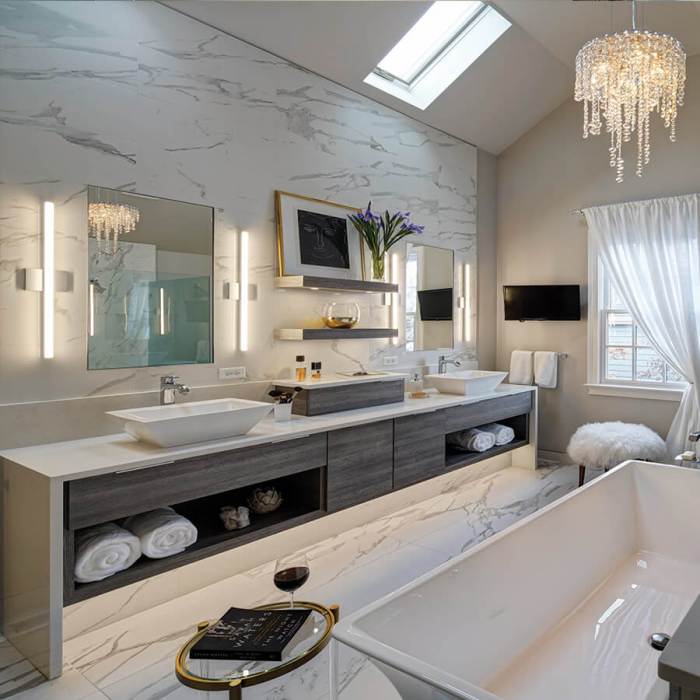
When it comes to designing a home, the bathroom is a crucial space that should not be overlooked. A well-designed bathroom not only enhances the overall aesthetics of a home but also plays a significant role in functionality and comfort.
Enhanced Home Value
A thoughtfully designed bathroom can add significant value to a home. Features such as modern fixtures, ample storage, and stylish finishes can attract potential buyers and increase the resale value of the property.
Impact on Daily Routines and Well-being
The design of a bathroom can greatly impact daily routines and well-being. A well-organized layout with efficient storage solutions can streamline morning routines, while a spa-like atmosphere with soothing colors and lighting can promote relaxation and overall well-being.
Elements of Bathroom Design
When designing a bathroom, there are several key elements to consider to create a functional and visually appealing space. From the layout to the choice of materials, each element plays a crucial role in shaping the overall design of the bathroom.
Layout
The layout of a bathroom is essential in maximizing space and functionality. It is important to consider the placement of fixtures such as the sink, toilet, and shower/bathtub to ensure a smooth flow and easy access. A well-thought-out layout can make a small bathroom feel more spacious and organized.
Lighting
Proper lighting is crucial in a bathroom design. Natural light can make the space feel more inviting and spacious, while artificial lighting is important for tasks such as grooming. The right lighting fixtures and placement can enhance the ambiance of the bathroom and provide adequate illumination for various activities.
Storage
Storage is another key element in bathroom design. Adequate storage solutions such as cabinets, shelves, and vanities help keep the space clutter-free and organized. Consider incorporating built-in storage options to maximize space and keep essentials within reach.
Color Schemes and Materials
The choice of color schemes and materials can greatly influence the ambiance of a bathroom. Lighter colors can make a small bathroom feel more airy and bright, while darker colors can create a sense of luxury and warmth. Similarly, the selection of materials such as tiles, countertops, and fixtures can impact the overall look and feel of the space.
Fixtures and Fittings
Fixtures and fittings, such as faucets, showerheads, and hardware, are essential in bathroom design. These elements not only serve a functional purpose but also contribute to the aesthetic appeal of the space. Choose fixtures and fittings that complement the overall design style and enhance the visual appeal of the bathroom.
Trends in Bathroom Design
When it comes to bathroom design, staying updated with the latest trends can help create a space that is both functional and visually appealing. Let’s explore some of the current trends shaping the world of bathroom design.
Minimalism
Minimalism is a popular trend in bathroom design that focuses on clean lines, simple color palettes, and clutter-free spaces. This approach emphasizes functionality and creates a sense of calm and tranquility.
Spa-like Features
Many modern bathrooms are incorporating spa-like features such as rainfall showers, soaking tubs, and heated floors. These luxurious additions help create a relaxing oasis within the home.
Smart Technology
The integration of smart technology in bathrooms is becoming increasingly popular. From smart toilets with bidet functions to motion-activated faucets and lighting, these high-tech features enhance convenience and efficiency in the bathroom.
Traditional vs. Modern Approaches
Traditional bathroom design often features ornate fixtures, intricate details, and rich colors. In contrast, modern bathroom design embraces simplicity, clean lines, and a minimalist aesthetic. While traditional design exudes elegance, modern design focuses on functionality and a contemporary look.
Sustainability and Eco-friendly Practices
In contemporary bathroom design, sustainability and eco-friendly practices are gaining importance. This includes using water-saving fixtures, energy-efficient lighting, and eco-friendly materials like bamboo and recycled glass. Designing a bathroom with sustainability in mind not only helps the environment but also creates a healthier space for occupants.
Maximizing Space in Bathroom Design
Creating a spacious feel in a small bathroom can be a challenge, but with the right design elements and strategies, you can optimize the space effectively. By incorporating clever storage solutions, utilizing mirrors, and maximizing lighting, you can transform a compact bathroom into a functional and visually appealing space.
Utilizing Mirrors, Lighting, and Layout
When it comes to maximizing space in a small bathroom, mirrors play a crucial role in creating an illusion of depth and openness. Placing a large mirror above the sink or across from a window can reflect light and make the room feel more expansive.
Additionally, strategic lighting can brighten up the space and eliminate shadows, further enhancing the illusion of a larger area.
Innovative Storage Solutions
Incorporating innovative storage solutions is key to maximizing space in a small bathroom. Consider installing floating shelves, utilizing vertical storage with tall cabinets, or opting for built-in niches and recessed shelving to keep the floor space clear. Over-the-toilet cabinets, magnetic organizers, and storage baskets can also help declutter the space and maximize storage capacity without sacrificing style.
Optimizing Small Bathroom Layout
When designing a small bathroom, the layout is crucial for maximizing space efficiently. Opt for a pedestal sink or wall-mounted vanity to free up floor space, and consider installing a walk-in shower instead of a bulky bathtub. Utilize corners effectively with corner shelves or corner vanities, and keep the color scheme light and neutral to create a more open and airy atmosphere.
Accessibility and Universal Design
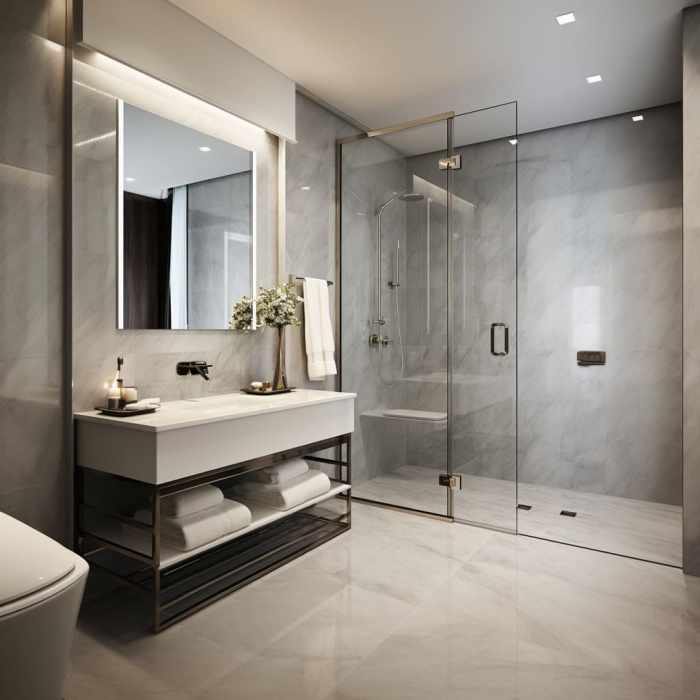
Designing bathrooms with accessibility in mind is crucial to ensure that individuals of all ages and abilities can use the space comfortably and safely. Whether it’s for someone with mobility limitations, older adults, or young children, incorporating universal design principles in bathroom design can make a significant difference in their daily lives.
Universal Design Principles
Universal design focuses on creating spaces that are usable by all people, regardless of their age, size, ability, or disability. When it comes to bathrooms, here are some key principles to consider:
- Wider doorways and hallways to accommodate wheelchairs and walkers.
- Zero-threshold showers for easy access without tripping hazards.
- Grab bars strategically placed near the toilet, shower, and bathtub for support.
- Adjustable showerheads and handheld sprays for flexibility in height and reach.
Accessible Features for All
By incorporating the following features, bathrooms can become more accessible to people of all ages and abilities:
- Non-slip flooring to prevent falls, especially for individuals with mobility challenges.
- Comfort height toilets that are easier to use for those with limited mobility.
- Lever handles on faucets and door handles for ease of use without grasping.
- Adequate lighting to enhance visibility, especially for individuals with vision impairments.
Final Thoughts
In conclusion, mastering the art of bathroom design is not just about style, but also about creating a space that caters to your needs and enhances your overall well-being. With the right elements and trends in mind, you can transform your bathroom into a sanctuary of comfort and luxury.
Essential FAQs
How can bathroom design impact the value of a home?
A well-designed bathroom can significantly increase the overall value of a home by adding aesthetic appeal and functionality, attracting potential buyers.
What are some current trends in bathroom design?
Popular trends include minimalism, incorporation of spa-like features, and the integration of smart technology for a more modern bathroom experience.
How can I make a small bathroom feel more spacious?
Optimizing storage, using mirrors to create an illusion of space, and strategic lighting can all help maximize the perceived space in a small bathroom.
Why is accessibility important in bathroom design?
Designing bathrooms with accessibility in mind ensures that people of all ages and abilities can use the space comfortably and safely.