Diving into the realm of architecture companies, this introduction offers a fascinating glimpse into the inner workings of these creative firms. From designing innovative structures to shaping urban landscapes, architecture companies play a pivotal role in shaping the world around us.
As we delve deeper, we uncover the intricate process of architectural design, the significance of sustainable practices, and the transformative impact of technology on modern architecture.
Overview of Architecture Company
An architecture company is a professional firm that specializes in designing and planning the construction of buildings and structures. These companies employ architects, engineers, and designers who work together to create functional and aesthetically pleasing spaces for various purposes.Architecture companies offer a wide range of services to clients, including architectural design, interior design, urban planning, project management, and construction supervision.
They work on projects of all sizes, from residential homes to large commercial buildings, ensuring that each project meets the client’s needs and adheres to building codes and regulations.Hiring a reputable architecture company is crucial for the success of any construction project.
These companies have the expertise and experience to turn a client’s vision into a reality while ensuring that the design is structurally sound and cost-effective. By working with a reputable architecture company, clients can avoid costly mistakes and delays, ultimately saving time and money in the long run.
Architectural Design Process
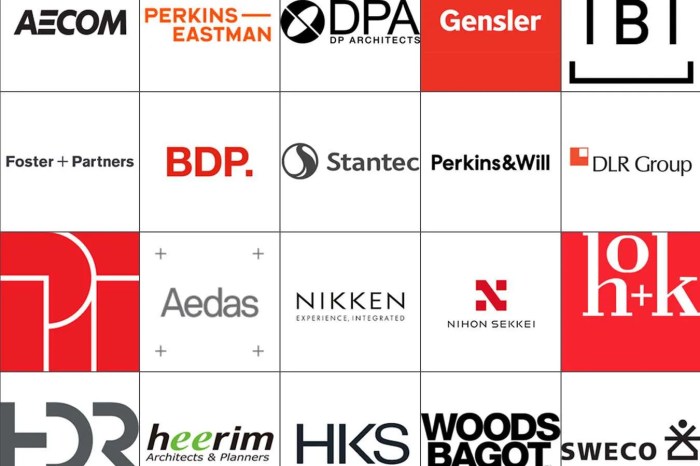
In the architectural design process, there are several stages that architects go through to bring a project from concept to reality. This involves collaboration with clients to understand their vision and requirements, translating these needs into tangible architectural designs.
Stages of Architectural Design Process
- Programming: Architects work closely with clients to define project goals, requirements, and constraints.
- Schematic Design: Initial sketches and concepts are developed to explore design options and establish the overall look and feel of the project.
- Design Development: Refinement of the chosen concept, incorporating structural and mechanical systems, materials, and details.
- Construction Documents: Detailed drawings and specifications are created to communicate the design intent to contractors.
- Permitting: Architects assist clients in obtaining necessary permits and approvals from local authorities.
- Construction Administration: Architects oversee the construction process to ensure that the design is implemented correctly.
Collaboration with Clients
Architects collaborate closely with clients throughout the design process to ensure that their vision and goals are met. This involves active listening, clear communication, and incorporating feedback to create designs that reflect the client’s needs and preferences.
Role of Architects
Architects play a crucial role in translating client needs into architectural designs by balancing aesthetic considerations, functional requirements, and technical constraints. They use their expertise to create innovative and sustainable solutions that enhance the built environment while meeting the client’s objectives.
Portfolio and Projects
Having a diverse portfolio is crucial for an architecture company as it showcases the range of skills, expertise, and design styles they can offer to potential clients. It demonstrates the ability of the company to tackle various types of projects and adapt to different requirements.
Showcasing key projects is essential to highlight the company’s expertise and unique style. These projects serve as tangible examples of the quality of work the company delivers, giving clients a clear idea of what to expect when working with them.
By showcasing past projects, an architecture company can attract new clients by proving their capabilities and track record. It builds credibility and trust with potential clients, showing that the company has successfully completed similar projects in the past and can deliver results.
Key Projects
- Project 1: Description of the project and its significance.
- Project 2: Description of the project and its impact.
- Project 3: Description of the project and its unique features.
Sustainable Architecture
Sustainable architecture has become a vital aspect of modern architecture companies, as the industry shifts towards more environmentally friendly practices. This approach focuses on reducing the environmental impact of buildings while creating healthier and more efficient spaces for occupants.
Examples of Sustainable Design Practices
- Integration of green roofs and living walls to improve insulation and air quality.
- Utilization of renewable energy sources such as solar panels and wind turbines.
- Implementation of passive design strategies for natural ventilation and daylighting.
- Use of sustainable materials like recycled wood, bamboo, and low VOC paints.
Role of Architecture Companies in Promoting Environmentally Friendly Solutions
- Collaborating with engineers and environmental consultants to optimize building performance.
- Educating clients on the benefits of sustainable design and long-term cost savings.
- Advocating for green building certifications like LEED and BREEAM to set industry standards.
- Participating in research and development of innovative sustainable technologies.
Technology in Architecture
In the field of architecture, technology plays a crucial role in enhancing design processes, improving efficiency, and providing innovative solutions to complex challenges.
Leveraging Technology in Design Processes
- Architecture companies use advanced software tools like CAD (Computer-Aided Design) to create detailed drawings and plans with precision and accuracy.
- 3D modeling software allows architects to visualize their designs in a realistic way, helping clients better understand the final outcome.
- Parametric design tools enable architects to explore complex geometries and optimize building performance.
Impact of BIM on Architecture Projects
- Building Information Modeling (BIM) revolutionizes the way architects plan, design, construct, and manage buildings throughout their lifecycle.
- BIM facilitates collaboration among different stakeholders, leading to better coordination and communication in the project.
- By creating a digital representation of the building, architects can identify potential clashes and resolve issues before construction, reducing errors and saving time and costs.
Enhancing Client Experience with Virtual Reality and 3D Modeling
- Virtual reality allows clients to experience a space before it is built, providing a more immersive and interactive design presentation.
- 3D modeling enables clients to visualize every detail of the project, from materials and textures to lighting and spatial layout, making the design process more transparent and engaging.
- By incorporating virtual reality and 3D modeling, architecture companies can offer a more personalized and customized experience to clients, ensuring their needs and preferences are met.
Conclusive Thoughts
In conclusion, architecture companies stand as pillars of creativity and innovation, inspiring awe and admiration through their diverse portfolio of projects. By blending artistry with functionality and embracing sustainability, these firms continue to redefine the boundaries of architectural excellence.
FAQ Explained
What sets apart a reputable architecture company?
A reputable architecture company distinguishes itself through its track record of successful projects, innovative design solutions, and a commitment to client satisfaction.
How do architecture companies incorporate sustainable practices?
Architecture companies integrate sustainable practices by using eco-friendly materials, optimizing energy efficiency, and implementing green design principles in their projects.
What role does technology play in modern architecture firms?
Technology plays a crucial role in modern architecture firms by enhancing design processes, improving project efficiency, and providing innovative tools like BIM and VR for better client engagement.