Delving into the world of interior stairs, this guide aims to provide a detailed overview of their significance in home design. From different types commonly used to their role in elevating the visual appeal of a space, we will uncover the ins and outs of interior stairs.
Introduction to Interior Stairs
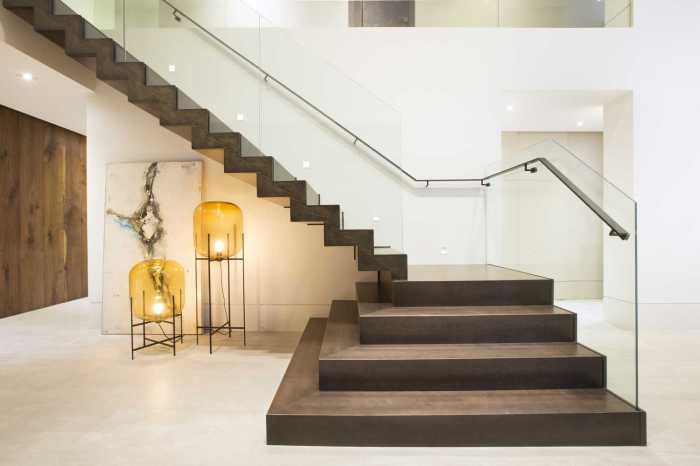
Interior stairs play a crucial role in home design, providing access between different levels of a residential building. They not only serve a functional purpose but also contribute significantly to the overall aesthetic appeal of a space.
Types of Interior Stairs
- Straight Stairs: Simple and common, running in a straight line from one level to the next.
- Spiral Stairs: Compact and visually appealing, ideal for tight spaces.
- L-shaped Stairs: Formed in the shape of an L, offering a landing to change direction.
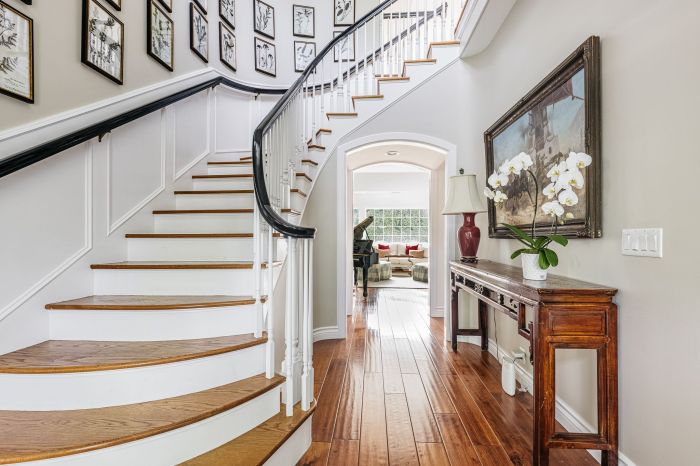
- Circular Stairs: Curved design, adding elegance and architectural interest.
Enhancing Aesthetic Appeal
Interior stairs can serve as a focal point in a home, showcasing unique designs, materials, and finishes. They can complement the overall interior style, whether modern, traditional, or eclectic. The choice of railing, treads, and balusters can further enhance the visual impact of the stairs, making them a statement piece in residential buildings.
Design Considerations
When designing interior stairs, there are several key factors to consider to ensure both functionality and aesthetics are met. Space constraints, safety regulations, material choices, and lighting all play a crucial role in the overall design.
Space Constraints and Safety Regulations
- Space constraints: It is essential to consider the available space for the stairs to ensure they fit seamlessly within the interior design without causing obstructions.
- Safety regulations: Compliance with building codes and safety standards is paramount to guarantee the stairs are structurally sound and safe for everyday use.
Impact of Different Materials
- Wood: Wood offers a classic and warm look, perfect for traditional or contemporary interiors. It can be stained or painted to match the overall design aesthetic.
- Metal: Metal stairs provide a modern and sleek appearance, ideal for industrial or minimalist designs. They are durable and can be customized in various finishes.
- Glass: Glass stairs create a sense of openness and lightness, making them suitable for modern and luxurious interiors. They allow natural light to flow through, enhancing the overall ambiance.
Relationship Between Lighting and Interior Stair Design
Lighting plays a significant role in interior stair design, both for practical reasons and aesthetic appeal. Proper lighting not only ensures safe navigation but also highlights the stairs as a focal point in the space. Ambient, accent, and task lighting can be strategically placed to enhance the visual impact of the stairs and create a welcoming atmosphere.
Installation and Construction
Installing interior stairs in a home is a crucial process that requires careful planning and execution to ensure safety and functionality. From choosing the right materials to following building codes, every step plays a vital role in the overall success of the project.
Steps for Installing Interior Stairs
- Measure the space: Begin by measuring the space where the stairs will be installed to determine the size and layout.
- Select materials: Choose the appropriate materials for the stairs, considering factors such as durability, style, and budget.
- Build the stairs: Construct the stairs according to the design and dimensions, ensuring proper support and stability.
- Install railing: Install a railing along the stairs for added safety and compliance with building codes.
- Finish the stairs: Complete the installation by finishing the stairs with paint, stain, or other desired finishes.
Comparison of Construction Methods
- Prefabricated stairs: Prefabricated stairs are pre-made and assembled off-site, offering a quicker installation process but limited customization options.
- Custom-built stairs: Custom-built stairs are designed and constructed on-site, allowing for more design flexibility and personalized touches.
- Hybrid approach: Some homeowners opt for a combination of prefabricated and custom-built elements to achieve a balance between efficiency and customization.
Importance of Structural Integrity and Compliance
Ensuring structural integrity and compliance with building codes is essential during the installation of interior stairs to guarantee the safety and stability of the staircase. Any compromises in these areas can lead to safety hazards and legal issues, emphasizing the importance of adhering to regulations and best practices throughout the construction process.
Maintenance and Upkeep
Regular maintenance is essential to ensure the longevity and safety of interior stairs in your home. By following some simple tips and addressing common issues promptly, you can keep your stairs in top condition for years to come.
Regular Inspections
- Inspect the stairs regularly for any signs of damage, such as cracks, loose railings, or squeaky steps.
- Tighten any loose screws or bolts to prevent further damage.
- Check the stability of the handrails and balusters to ensure they are secure.
Cleaning and Preservation
- Regularly clean the stairs with a mild cleaner and a soft cloth to remove dirt and dust.
- Avoid using harsh chemicals or abrasive materials that can damage the finish of the stairs.
- For wooden stairs, consider applying a protective sealant to prevent wear and tear.
- For carpeted stairs, vacuum regularly and spot clean any spills or stains to prevent permanent damage.
Addressing Common Issues
- If you notice any loose or creaking steps, investigate the cause and repair it immediately to prevent accidents.
- Address any water damage promptly to prevent mold growth and structural issues.
- If the stairs are made of metal, watch out for rust and treat it with a rust inhibitor to prevent corrosion.
Final Thoughts
In conclusion, interior stairs not only serve a practical function but also contribute significantly to the aesthetics of a home. By considering design factors, installation methods, and maintenance tips, you can ensure your interior stairs remain a focal point of your living space for years to come.
Questions Often Asked
What are the key factors to consider when designing interior stairs?
Key factors include space constraints, safety regulations, and the impact of different materials on design.
What are the common issues that may arise with interior stairs?
Common issues include creaking, loose handrails, and squeaky steps, which can be addressed with proper maintenance.
How can I ensure the longevity of my interior stairs?
Maintain the condition by regularly cleaning, addressing issues promptly, and following best practices for preserving materials.