European interior design sets the stage for this enthralling narrative, offering readers a glimpse into a story that is rich in detail and brimming with originality. From the characteristics that define European design to the key elements that shape its aesthetics, this topic delves into a world where elegance and tradition intertwine seamlessly.
As we navigate through influential movements, regional variations, materials, color palettes, furniture, and decor, the essence of European interior design unfolds before us, showcasing a tapestry of history, artistry, and cultural influences.
Overview of European Interior Design
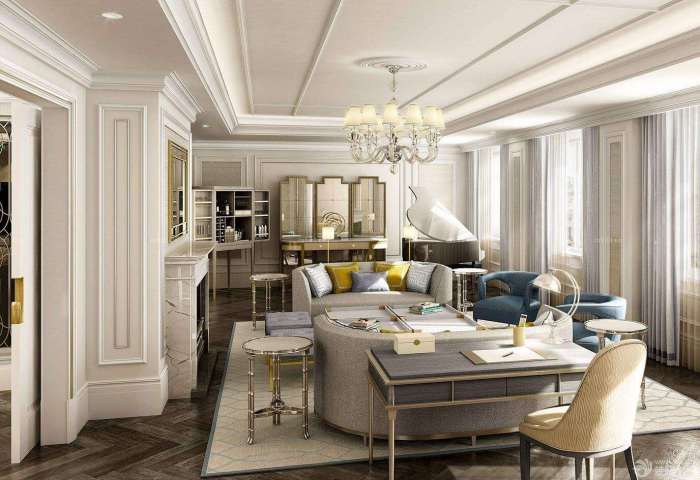
European interior design is known for its elegance, sophistication, and timeless appeal. It reflects the rich history and diverse cultural influences of the continent, resulting in a variety of styles that cater to different tastes and preferences.
Characteristics of European Interior Design
- Rich and luxurious materials such as velvet, silk, and brocade
- Ornate details and intricate patterns
- Antique furniture and decorative pieces
- Warm and inviting color palettes
- Emphasis on symmetry and balance
Key Elements of European Interior Design
- Classic architectural details like crown molding and ceiling medallions
- Grand chandeliers and elaborate light fixtures
- Use of mirrors to enhance space and light
- Opulent draperies and window treatments
- Artwork and sculptures as focal points
Popular European Interior Design Styles
- French Country:Characterized by rustic charm, soft colors, and natural materials.
- Baroque:Known for its ornate details, dramatic flair, and opulence.
- Scandinavian:Minimalist and functional design with a focus on light and neutral colors.
- Italian Renaissance:Inspired by the art and architecture of the Renaissance period, featuring grandeur and elegance.
- English Cottage:Cozy and inviting style with floral patterns, cozy fabrics, and vintage pieces.
Influential European Interior Design Movements
Artistic movements have always played a significant role in shaping European interior design aesthetics. From the intricate designs of Art Nouveau to the minimalist approach of the Bauhaus movement, each period has left a lasting impact on the way interiors are designed and decorated.
Art Nouveau
Art Nouveau, which emerged in the late 19th century, brought a new level of sophistication to European interior design. Characterized by its use of organic forms, intricate patterns, and decorative motifs inspired by nature, Art Nouveau transformed interiors into works of art.
Furniture pieces with sinuous lines, stained glass windows, and elaborate wallpapers became popular elements in Art Nouveau interiors. The movement aimed to create a total work of art where every aspect of the interior, from furniture to lighting, harmoniously contributed to the overall design.
Bauhaus Movement
The Bauhaus movement, founded in Germany in the early 20th century, revolutionized modern European interior design with its focus on functionality, simplicity, and clean lines. Rejecting the ornate styles of the past, Bauhaus designers embraced the principles of form follows function and the use of industrial materials.
This approach led to the creation of minimalist interiors characterized by open spaces, modular furniture, and a neutral color palette. Bauhaus design principles continue to influence contemporary interior design, emphasizing the importance of functionality and practicality.
Rococo
The Rococo style, popular in the 18th century, played a key role in shaping European interior design aesthetics with its emphasis on elegance, opulence, and ornamentation. Rococo interiors were characterized by asymmetrical designs, pastel color palettes, and the use of delicate motifs such as scrolls, shells, and flowers.
Ornate furniture, gilded mirrors, and elaborate ceiling decorations were common elements in Rococo interiors, reflecting a lavish and decorative approach to design. The Rococo style influenced the development of other design movements and continues to inspire designers looking to create luxurious and sophisticated interiors.
Regional Variations in European Interior Design
European interior design is a diverse and rich tapestry, with each region offering its own unique style and characteristics. Let’s explore some of the regional variations in European interior design.
Scandinavian vs. Mediterranean Styles
Scandinavian interior design is known for its minimalistic and functional approach. It emphasizes clean lines, natural materials, and a neutral color palette. On the other hand, Mediterranean style is more vibrant and eclectic, drawing inspiration from the sun-drenched regions of Southern Europe.
It features warm colors, rustic textures, and ornate detailing.
French Country Interior Design
French country interior design exudes a sense of rustic elegance and charm. It incorporates a mix of antique furniture, soft floral fabrics, and distressed finishes. This style often showcases natural materials like wood and stone, creating a cozy and inviting atmosphere.
English Tudor Interior Design
English Tudor interior design is characterized by its old-world charm and traditional aesthetic. It features dark wood paneling, intricate carvings, and ornate details like quatrefoil motifs. This style often incorporates rich colors like deep reds and greens, along with plush fabrics like velvet and tapestry.
Materials and Color Palettes in European Interior Design
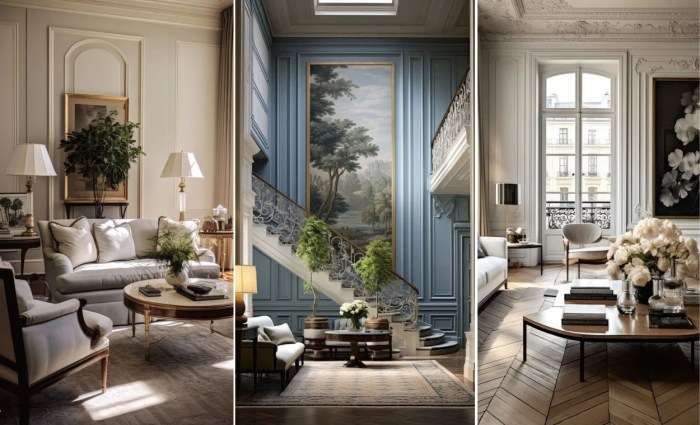
In European interior design, the choice of materials and color palettes plays a crucial role in creating the desired aesthetic. Let’s delve into how natural materials, earthy tones, and textiles contribute to the overall look and feel of European interiors.
Natural Materials in European Interiors
Natural materials like wood and stone are commonly used in European interior design to add warmth, texture, and a sense of authenticity to spaces. Wood, in its various forms such as oak, walnut, or pine, is often utilized for furniture, flooring, and architectural details.
Stone, including marble and limestone, brings a touch of luxury and timelessness to interiors, particularly in features like countertops, fireplaces, and flooring.
Earthy Tones in European Interior Design
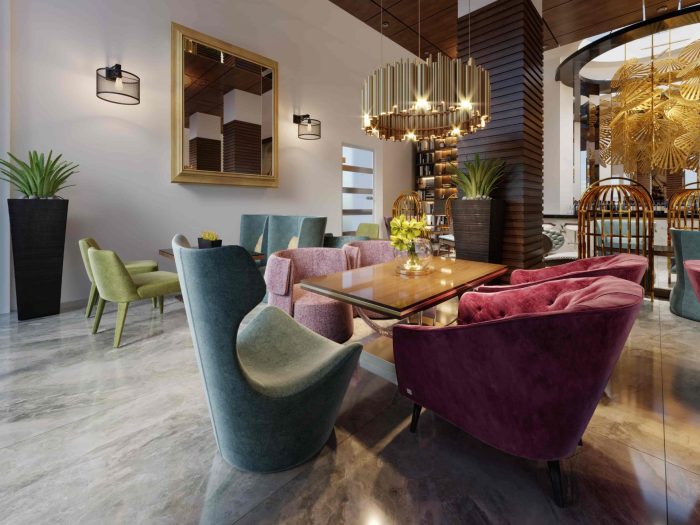
European interior design embraces earthy tones like beige, taupe, olive green, and terracotta to create a harmonious and grounded atmosphere. These colors are reminiscent of the natural landscapes of Europe, from the lush forests to the sandy coastlines. Earthy tones are versatile and can be used as a base for both traditional and contemporary interiors, providing a sense of sophistication and tranquility.
Textiles in European Interior Design
Textiles play a significant role in European interior design, with fabrics like silk and velvet adding a touch of elegance and opulence to spaces. Silk, known for its luxurious sheen and soft texture, is often used for draperies, upholstery, and decorative accents.
Velvet, with its plush feel and rich appearance, brings a sense of comfort and sophistication to furniture pieces like sofas, chairs, and cushions.
Furniture and Decor in European Interior Design
European interior design is characterized by its elegant and timeless furniture pieces that bring a sense of sophistication and luxury to spaces. The furniture and decor play a significant role in creating the lavish and opulent atmosphere that European interiors are known for.
Characteristic Furniture Pieces in European Interior Design
European interior design often features furniture pieces with ornate details, intricate carvings, and rich finishes. Some common characteristic furniture pieces include:
- Baroque-style chairs and sofas with elaborate carvings and luxurious upholstery.
- Louis XVI consoles and tables with delicate lines and decorative motifs.
- Chippendale cabinets and sideboards showcasing fine craftsmanship and intricate details.
- Victorian-era furniture pieces with rich fabrics, tufted upholstery, and decorative embellishments.
Ornate Details and Craftsmanship in European Decor
The ornate details and craftsmanship in European decor are a testament to the skilled artisans and craftsmen who have been creating exquisite furniture pieces for centuries. Intricate carvings, gilding, marquetry, and inlay work are commonly seen in European decor, adding a touch of luxury and sophistication to interiors.
Significance of Antiques and Vintage Pieces in European Interiors
Antiques and vintage pieces hold a special place in European interiors, adding a sense of history, character, and charm to the space. These pieces often have a story to tell and bring a sense of nostalgia and authenticity to the design.
Whether it’s a vintage chandelier, an antique armoire, or a classic wingback chair, these pieces add a unique touch to European interiors that cannot be replicated with modern furnishings.
End of Discussion
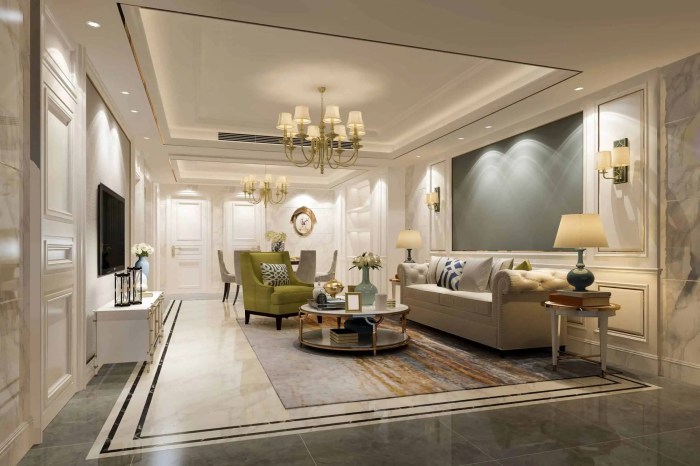
As we conclude our exploration of European interior design, we are left with a profound appreciation for the intricacies and timeless beauty that define this captivating style. From the ornate details of furniture to the significance of color palettes, each element weaves a story of sophistication and refinement that continues to inspire designers and enthusiasts alike.
FAQ Overview
What are some popular European interior design styles?
Some popular European interior design styles include Baroque, Rococo, Neoclassical, and Art Deco.
How does Scandinavian interior design differ from Mediterranean styles?
Scandinavian design focuses on minimalism, light colors, and functionality, while Mediterranean styles are characterized by warm colors, natural elements, and rustic charm.
What role do textiles like silk and velvet play in European interior design?
Textiles like silk and velvet add a touch of luxury and sophistication to European interiors, often used for draperies, upholstery, and decorative accents.